



The 16th edition of the Residential Central Heating Market Report UK 2023-2027 provides an informed and up-to-date analysis of the market. The report offers insights into market size, growth prospects, key drivers, and competitive landscape, assisting industry stakeholders in making informed decisions.
The residential central heating market in the UK is estimated to have significant value. It experienced a decline in 2020 but rebounded in 2021 due to increased building activity and consumer confidence. However, the market is currently facing economic challenges such as rising inflation, Brexit, and the impact of the Ukraine war. There has been a slowdown in housing market demand, but a strong focus on energy efficiency and funding initiatives has helped mitigate declines.
Different sub-sectors within the market have performed to varying degrees. Controls and heat pumps have seen growth, driven by consumer interest and government support. Investment in boilers and radiators has slowed due to tightening household finances and indications of slower delivery in public sector housing programs.
The UK has set ambitious targets for transitioning to more energy-efficient options, including hybrids and renewables like heat pumps. There are plans to ban the sale of 100% gas-only boilers by 2035, leading to anticipated growth in sustainable technologies. Manufacturers are preparing for these changes through new product development.
Key players in the market include Worcester Bosch, Vaillant, Ideal, Baxi (boilers), Stelrad, Purmo, Zehnder, Kudox (radiators), Danfoss, Siemens, Honeywell, Drayton (heating controls), British Gas (Hive), Google (Nest), Honeywell, Tado (smart controls), Daikin, Viessmann, Nibe, Bosch, Vaillant (heat pumps), Grundfos, Wilo (circulators).
Distribution channels primarily consist of merchants and electrical wholesalers, with online retailers and specialist heating companies also gaining share. Energy companies play an indirect role in the market.
Key Issues Covered in the Report
The report assesses the impact of the pandemic and economic challenges on the residential central heating industry. It highlights the focus on energy efficiency, including the UK’s carbon net zero target. The growth of smart heating solutions, style and design considerations, demographic influences, and the trend towards off-site solutions are also discussed.
Areas of Particular Interest
- Impact of economic challenges: The effects of factors like inflation, Brexit, and the Ukraine war on the residential central heating market, including material costs, supply delays, and housing market demand.
- Focus on energy efficiency and sustainability: The emphasis on energy-efficient heating solutions and the UK’s target of achieving carbon net zero by 2050, along with increasing environmental legislation related to water and energy efficiency.
- Growth of smart heating solutions: The adoption of smart controls and heating technologies, offering enhanced convenience, energy management, and control options for homeowners.
- Style and design trends: The growing importance of style and design in residential central heating solutions, considering aesthetics and their integration into the overall design of living spaces.
- Demographic influences: The impact of the ageing UK population and the corresponding demand for inclusive heating solutions that cater to the needs of all individuals.
- Off-site construction trend: The trend towards off-site solutions to expedite the construction process, reduce on-site labor costs, and influence the selection and installation of residential central heating systems.
Key Areas Covered in the Report
Market Summary
- Market size by value 2023 to 2027, rates of change.
- Market overview by product sector.
- Imports and exports data.
- Market splits including product mix by value.
Market Influences and Drivers
This section reviews the key influences upon the residential central heating market. Whilst legislative measures inevitably shape the type of products used, these also need to be affordable to enable their wider adoption. However, the recent cost-of-living crisis and sharp hike in energy prices, has also led households to consider alternative, longer-term ways of reducing their energy bills and has focused minds on the potential for different fuel sources for heating homes.
End Use Sectors
This section considers the key end use sectors which influence demand for residential central heating systems and includes housebuilding & RMI activity; housebuilding starts & completions; as well as heating types installed across different homes.
Product Sub-Sectors
Central heating is defined as heating from a central source.
Residential central heating systems include:
- Wet Central Heating Systems – that use water as the medium to get heat from the central source (boiler) to the areas to be heated. The principal fuels that are used are gas (including LPG), oil, solid fuel, and electrical energy.
- Dry Central Heating Systems – are operated centrally and use electric storage and warm air systems to heat areas of the home.
For the purposes of this report, the UK market for residential central heating systems concerns wet central heating systems and includes the following products:
- Boilers
- Circulators
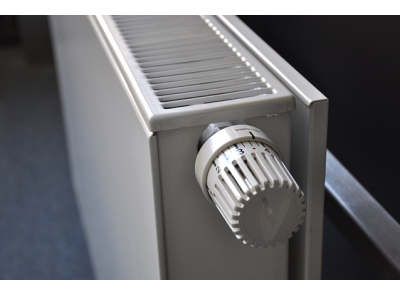
- Radiators
- Heating Controls (smart and conventional)
- Heat Pumps
It should be emphasised that installation costs, maintenance, spare parts, and aftermarket activities are excluded from our market definition, which focuses upon product sales.
Distribution
- Review of distribution – map, key channels, developments.
- Company overview and financials of key distributors.
Market Forecasts and Product Innovations
- Ten-year UK Residential Central Heating market view 2018 – 2023, plus forecasts to 2027, rates of change.
- Overview of market prospects.
- Ten-year market view by product sub-sector to 2027 and rates of change.
- Summary of market prospects.
- New product innovation and Future Scenarios.
The Residential Central Heating Market Report UK 2023-2027 is available now and can be ordered here.
Construct UK has negotiated a 10% discount for our readers when ordering construction market reports from AMA Research.
Please use the dedicated code constructuk10 when placing your order on the AMA Research website.
Construct UK Subscribers may claim a 20% discount on AMA reports. In order to do this, log in, go to the My Account page
and click on the 20% Discount icon at the bottom of the Downloads section to obtain the code.
Keep up to date with the latest construction marketing news by registering for
our regular free construction sales and marketing e-bulletin here.